Our research explores what this means for the housing British cities need to build next.
This page sets out the evidence behind our case for Single Person Housing: housing designed around the needs of people living independently.
The research points to two connected pressures - the need for more homes overall, and a housing mix that responds more closely to changing household patterns.
Our particular focus is younger and working-age adults living in cities, broadly 18 to 45. Many are forming traditional family households later, facing housing costs for longer on a single income, and using their homes in different ways. That creates a longer period of adult life for which conventional housing options are not always well suited.
Mainstream housing provides relatively few professionally managed options for working-age people who want to live independently and without compromise in major cities.
People are reaching major life milestones later, extending the period in which many adults live independently before forming a family household.
Conventional independent housing is difficult to access on one income. In London, only 29% of 25-34 year-olds owned their home in 2019, down from 57% in 1990.
Changing working patterns have increased the role of the home and neighbourhood as places to live, work and spend time, raising the value of well-designed private and shared space.
A private home, useful shared space and professional management - designed around the economics and lifestyles of one-person urban households.
A genuinely personal home, not a bedroom in someone else's house share.
Useful shared space expands what residents can access well beyond their private home.
Professional, on-site management provides service, consistency and accountability.
Space, density and shared amenity are used intelligently to improve the economics of urban living.
The wider rental market is also under pressure. Institutional Build to Rent development has slowed, while the stock available to rent in major cities remains below pre-pandemic levels. Regulatory and taxation changes are among the pressures affecting landlord investment decisions across both institutional and private rental supply.
Single Person Housing describes the need. These are the two established models we use to deliver against it.
Single Person Housing is one part of a broader housing response.
Three boundaries are important.
Britain needs more family homes. The research is simply that housing supply should also reflect the full range of households being formed.
Different tenures address different parts of housing need. Single Person Housing should complement, not substitute for, affordable and social housing.
It is designed around a particular set of residents and circumstances. Its value comes from providing greater choice, not being a universal housing model.
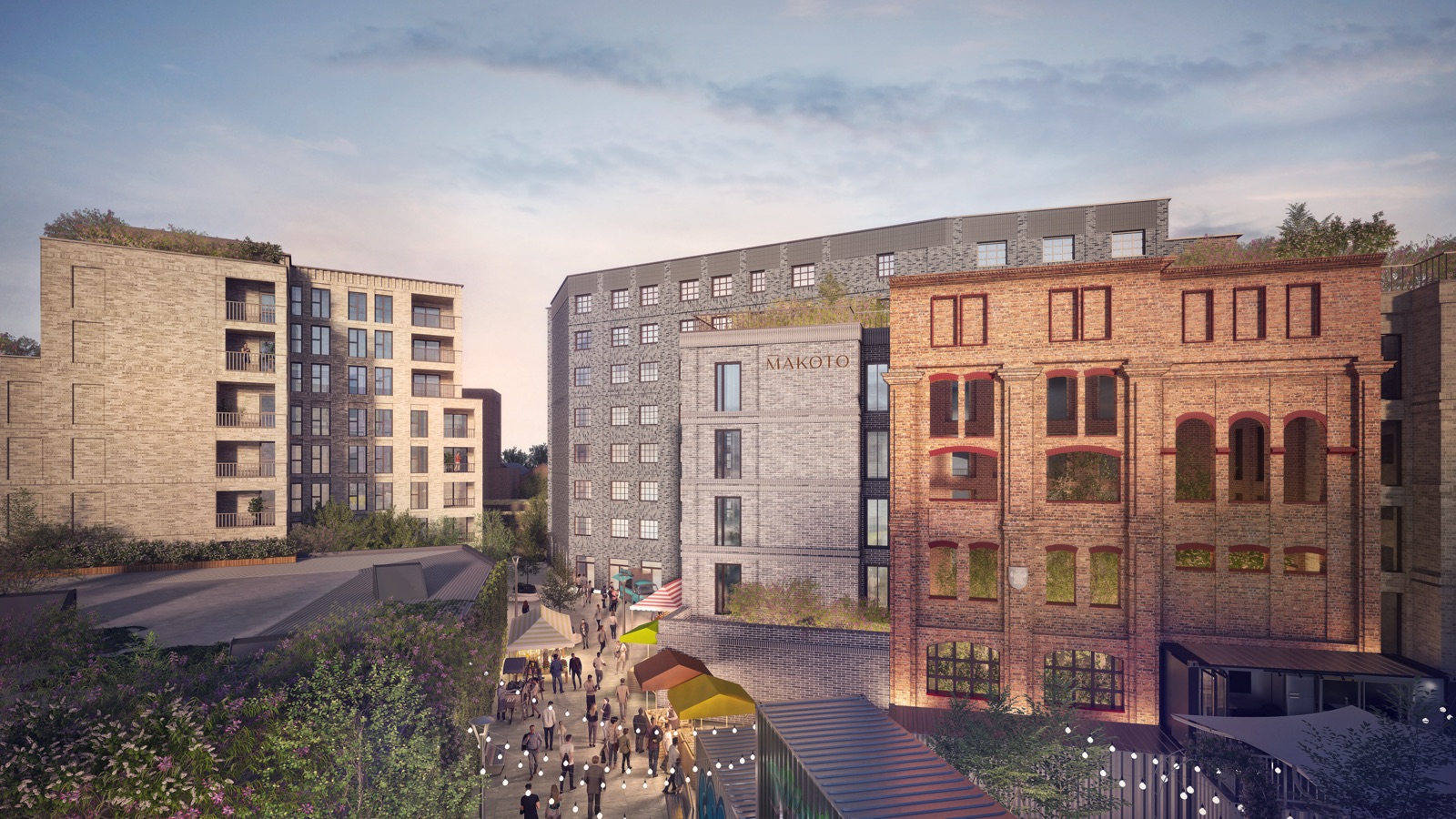
A Shared Living development moments from London Fields and Broadway Market, bringing the principles explored in this research into a live London project. The design retains and celebrates the existing industrial brickwork, layering new rental studios above active ground-floor uses and shared amenity.
Continue exploring: Places Partner with us Contact